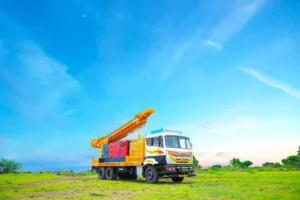
Introduction to Borewells
Borewells are vertical shafts drilled into the ground to access groundwater, a crucial resource in many regions, including Amberpet. In areas where surface water is scarce, borewells serve as a viable solution for obtaining water for various purposes, including drinking and irrigation. The increasing demand for water, particularly in areas prone to drought, has accentuated the importance of borewells as a dependable source of fresh groundwater.
The process of drilling a borewell involves using specialized equipment to penetrate the earth’s surface until the water table is reached. These wells are typically lined with a casing that prevents the borehole from collapsing, while also ensuring that contaminants are kept at bay. Once constructed, a submersible pump or hand pump is often installed to draw the water to the surface, making it accessible for various uses. The functioning of a borewell depends greatly on the aquifer’s characteristics, including its depth and capacity, which determine the well’s ability to yield water.
In Amberpet, borewells play a significant role in supporting agricultural activities by providing irrigation water to crops. This is particularly important in areas with limited rainfall. Furthermore, borewells are critical for ensuring households have a steady supply of potable water. Given the growing population and the need for sustainable water management, understanding the dynamics of borewells becomes increasingly important. They not only meet immediate water needs but also impact local ecosystems and groundwater levels, highlighting the need for responsible usage and management practices.
The History of Borewell Usage in Amberpet
The history of borewell usage in Amberpet is intertwined with the region’s agricultural practices and the pressing need for reliable water sources. Initially, agriculture in Amberpet was primarily dependent on seasonal monsoons, which posed significant challenges given their unpredictability. Farmers faced challenges with crop yield and sustainability, prompting the exploration of alternative irrigation methods.
As the population in Amberpet began to grow, so did the demand for a more consistent water supply. The introduction of borewells, technologically advanced for their time, revolutionized the way water was sourced and delivered in the region. By tapping into subterranean water tables, borewells offered a viable solution for both domestic and agricultural use.
Throughout the decades, the technology used in the construction of borewells evolved significantly. From manually dug wells to the modern mechanized drilling methods employed today, these improvements have not only enhanced efficiency but also reduced the time taken to access subterranean water resources. Furthermore, the method of borewell maintenance and management has progressed, leading to better water quality and sustainability practices.
The integration of solar-powered pumps during recent years symbolizes a significant advancement in the way borewell systems operate, contributing to more sustainable energy consumption in Amberpet. This evolution reflects a broader trend towards environmentally friendly practices while ensuring that the irrigation needs of the local farming community are met satisfactorily.
Thus, the historical development of borewell usage in Amberpet showcases a narrative of adaptation and innovation fueled by the necessity of water access in the face of changing agricultural dynamics. The ongoing advancements in borewell technology continue to play a crucial role in meeting both domestic and agricultural water requirements, underlining the importance of these resources in everyday life.
Types of Borewells
Borewells are pivotal in water supply systems, particularly in areas like Amberpet, where groundwater is a key resource. There are several types of borewells, each designed to cater to varying geographical and hydrological conditions. In this section, we will explore the different types of borewells: open wells, tube wells, and deep borewells.
Open Wells: Open wells are among the oldest types of groundwater extraction methods. They are usually large, cylindrical constructions that extend down to the water table. These wells can be manually dug and lined with bricks or concrete to prevent collapse. While they are cost-effective and easy to maintain, open wells are more susceptible to contamination. In Amberpet, they are most effective in areas where the water table is relatively shallow.
Tube Wells: Tube wells are constructed using a long pipe driven into the ground, reaching deeper water sources. These wells can be installed quickly and deliver higher water yields compared to open wells. Tube wells usually utilize electric or diesel pumps for extraction, which enhances their efficiency. As such, they are preferred in agricultural settings where irrigation is vital. In Amberpet, filled with diverse agricultural practices, tube wells play an essential role in ensuring a sustainable water supply.
Deep Borewells: Deep borewells are similar to tube wells but extend much deeper into the earth’s crust, often reaching aquifers that are located hundreds of meters underground. These wells typically require specialized drilling equipment and techniques, making them more expensive to install. Their advantage lies in the accessibility to larger, more reliable water sources. Deep borewells are particularly beneficial in regions experiencing severe drought conditions, ensuring a consistent water supply throughout the year. In places like Amberpet, where rainfall may not always be sufficient, deep borewells can significantly contribute to water security.
Borewell Drilling Process
The borewell drilling process is a systematic procedure designed to access underground water resources effectively. The first critical step in this process is site selection. This involves evaluating the geographical area, conducting soil tests, and utilizing hydrogeological surveys to identify promising locations for water extraction. Engaging with local authorities and obtaining necessary permits is essential to ensure compliance with regional regulations.
Once a suitable site has been determined, the actual drilling begins. Borewell drilling typically utilizes specialized machinery, such as rotary drilling rigs or cable tool rigs. These machines are capable of penetrating various soil layers, including rock formations, utilizing drill bits designed for these conditions. The drilling process continues until the desired depth is reached, which is contingent on the estimated aquifer depth.
After reaching the desired depth, the next step involves casing installation. This is crucial as it provides structural support to prevent collapse and protects the water quality by isolating the borewell from surface contaminants. The casing is usually made of PVC or steel, and it is fitted with screens at the lower end to allow water to flow in while filtering out sediments.
Subsequently, it is essential to conduct a water yield test. This test assesses the borewell’s output and the sustainability of the water supply. During this phase, water is pumped from the borewell at different rates, measuring the flow rate and recovery time to ensure it meets the needs required for domestic or agricultural use.
Understanding the borewell drilling process is pivotal for ensuring a successful installation and optimal water management. Each stage, from site selection to yield testing, directly impacts the borewell’s effectiveness, contributing to sustainable water supply practices in Amberpet.
Importance of Water Quality Testing
Ensuring good water quality is crucial, especially when utilizing borewater in residential or agricultural settings. Borewater often contains various contaminants, both microbial and chemical, that can pose significant health risks. These contaminants may include heavy metals, nitrates, bacteria, viruses, and other harmful substances. Therefore, water quality testing becomes imperative before the use of borewater to identify and mitigate these risks.
There are multiple methods for testing the quality of borewater. Homeowners can opt for either laboratory testing or DIY testing kits. Laboratory testing is often more comprehensive, providing accurate results related to a wide range of parameters. This can include pH levels, hardness, specific pathogens, and even the presence of heavy metals. On the other hand, DIY kits can serve as quick preliminary tools for testing major contaminants, although they may lack the precision of professional analyses.
Periodic testing of borewater is also essential for ongoing health and safety. Water quality can change over time due to various factors, such as seasonal rainfall, changes in land use, or other environmental impacts. Regular testing helps to monitor these changes and ensures that the water remains safe for consumption. Not only does this protect individual health, but it also safeguards the broader community from waterborne diseases that may arise from untreated or contaminated borewater.
In conclusion, thorough and regular water quality testing is indispensable when dealing with borewater in Amberpet. By understanding the types of contaminants present and utilizing appropriate testing methods, residents can ensure that their borewater usage maintains health standards and supports safe living conditions. This proactive approach is vital in preserving both individual health and community well-being.
Legal Regulations and Permissions
When it comes to borewell drilling in Amberpet, understanding the legal regulations and permissions is crucial to ensure compliance with local laws and promote sustainable water use. The process of drilling a borewell is governed by various regulations that aim to preserve water resources and protect the environment. Before commencing any drilling activities, individuals and organizations must obtain the necessary permits from local authorities.
The specific requirements for obtaining a borewell permit can vary based on local government policies, but typically include filling out an application, providing details about the borewell location, depth, and purpose, and sometimes involving a hydro-geological survey. These surveys help ascertain the groundwater availability and quality, ensuring that the borewell will not adversely impact the existing water table.
Additionally, adhering to established regulations helps discourage over-extraction of groundwater, thus mitigating potential long-term ecological damage. The local authorities in Amberpet are committed to enforcing these rules and conducting inspections to ensure compliance. Failure to obtain the required permissions can result in hefty fines or legal action, underscoring the importance of following due process.
The legal framework also emphasizes sustainable practices, encouraging borewell installers and users to consider water conservation techniques and alternative sources of water when possible. Awareness of these regulations is essential not only for legal compliance but also for fostering community support for responsible water management. Therefore, before proceeding with any borewell drilling in Amberpet, it is imperative to familiarize oneself with the local laws and procedures to promote safe and sustainable water usage.
Maintenance and Troubleshooting of Borewells
Regular maintenance of borewells is crucial for ensuring longevity and optimal performance. Proper upkeep can prevent various issues and maintain the quality of water supply. A key aspect of borewell maintenance is periodic inspection of the pump and associated equipment. Checking for any unusual noises, vibrations, or overheating can provide early indications of potential problems. Additionally, keeping the borewell and its components clean can help prevent contamination and other complications.
One common issues associated with borewells includes pump failures. If the pump isn’t functioning correctly, check for faulty electrical connections, problems with the motor, or blockages in the pipeline. Regular checks on the pump’s performance can identify these issues promptly. If the water flow decreases unexpectedly, it could indicate sediment buildup or a reduction in the water table. In such cases, a thorough inspection and possible cleaning of the borewell may be necessary. This involves removing the accumulated sediment, which can significantly restore water flow.
Other potential challenges include water contamination or the presence of impurities in the water supply. Regular water testing is encouraged to ensure that the water is safe for consumption. If contaminants are detected, immediate action should be taken, which might involve using filtration systems or even rehabilitating the borewell. Furthermore, establishing a maintenance schedule that includes regular servicing and checks by professionals can preemptively address many of these concerns.
Finally, always ensure that the borewell is sealed properly to avoid any surface runoff, which may lead to contamination. By adhering to these maintenance tips and being vigilant about troubleshooting, users can maximize the efficiency and lifespan of their borewells in Amberpet.
Environmental Impact of Borewells
Borewells are increasingly recognized as a vital water source, especially in urban areas like Amberpet. However, their usage has significant environmental implications that warrant careful consideration. One major concern is the impact of borewells on groundwater levels. Excessive extraction of groundwater for domestic or agricultural purposes can lead to a sharp decline in the water table, posing threats to long-term water availability.
Moreover, this decline often results in the degradation of nearby ecosystems. Aquatic ecosystems, in particular, can suffer from reduced water resources, affecting both flora and fauna that rely on consistent water levels. For instance, a decrease in groundwater can lead to diminished streamflows and altered wetland habitats, which are crucial for supporting biodiversity.
In addition to these ecological impacts, the methods used to drill and maintain borewells can also contribute to environmental degradation. Poorly managed borewells risk polluting groundwater sources through chemical runoff or sedimentation, potentially endangering not just plant and animal life but human health as well.
To mitigate these adverse outcomes, implementing sustainable practices is essential. Such practices may include the promotion of rainwater harvesting and encouraging the use of recharge wells to replenish depleted aquifers. Furthermore, community awareness regarding responsible borewell usage can also play a critical role in environmentally sound practices. Local authorities can facilitate workshops and provide resources that educate residents on optimizing borewell usage while minimizing ecological damage.
Balancing the necessity of borewells with environmental sustainability is crucial for ensuring the long-term viability of water resources in Amberpet. Consequently, a concerted effort is required from both individuals and regulatory bodies to foster practices that protect the environment while meeting the community’s water needs.
Future of Borewells in Amberpet
The future of borewells in Amberpet is poised to undergo significant transformation as various factors come into play. One of the primary influences on borewell usage is climate change, which has already begun to affect rainfall patterns, groundwater levels, and the overall availability of water resources. As temperatures rise and weather becomes more erratic, it is expected that the demand for borewell sources will increase. Residents may increasingly turn to borewells as a reliable alternative, thereby raising questions about the sustainability of current water extraction practices.
In response to these challenges, innovative technologies are emerging that enhance the efficiency of borewell operations. Developments in remote sensing, IoT (Internet of Things), and AI (Artificial Intelligence) are paving the way for smarter water management solutions. With the help of these technologies, users can monitor water levels, detect leaks, and optimize their water usage, thus ensuring that groundwater resources are utilized more responsibly. Moreover, advances in borewell drilling techniques are lowering costs and increasing access, particularly in underserved areas.
Community initiatives also play a crucial role in shaping the future landscape of borewells in Amberpet. There is an increasing awareness of the need for sustainable groundwater management practices, and local groups are beginning to advocate for responsible usage and equitable sharing of borewell resources. Educational programs aimed at informing the public about groundwater conservation methods can lead to a collective effort to protect these vital resources. As such, a cooperative approach to borewell management, focusing on sustainability, could ensure that these essential water sources remain viable for future generations.